Navigating Mental Health During the Holidays: Tips for a Joyful and Balanced Season

The holiday season is often depicted as a magical time filled with joy, family, and celebration. While this can be true, it’s also a period that brings unique challenges for mental health. The pressures of social obligations, financial stress, and the emotional weight of the season can be overwhelming. Whether you're navigating family dynamics, managing grief, or simply trying to keep up with the hustle, here are some tips to support your mental well-being during the holidays.

1. Acknowledge Your Feelings

The holidays can evoke a mix of emotions—happiness, stress, sadness, or even loneliness. If you're grieving a loved one, feeling disconnected, or overwhelmed, it’s okay to feel this way. Acknowledging your emotions rather than suppressing them can help you process and manage them more effectively. Remember, it’s okay not to feel "merry and bright" all the time.

2. Set Realistic Expectations

Perfection isn't required for a meaningful holiday. Let go of the pressure to meet every expectation or create an Instagram-perfect experience. Focus on what truly matters to you—whether it’s spending time with loved ones, practicing traditions, or simply enjoying moments of peace.

3. Create Boundaries

The holidays often come with increased social demands, which can be exhausting. It’s okay to say no to events or activities that drain your energy. Prioritize the gatherings and traditions that bring you joy and set boundaries with family members or friends if conversations or dynamics become unhealthy.

4. Practice Gratitude

Amid the chaos, grounding yourself in gratitude can be a powerful tool. Take a moment each day to reflect on the small joys—like a cozy cup of cocoa, a kind gesture, or a beautiful sunset. Gratitude can shift your focus and help you find positivity even during stressful times.

5. Maintain Healthy Habits

With holiday treats and packed schedules, it’s easy to neglect self-care. Try to maintain routines that support your mental health, such as:

  • Getting enough sleep

  • Staying physically active

  • Eating balanced meals

  • Limiting alcohol and caffeine

Even small efforts can help you feel more balanced and resilient.

6. Stay Connected

If you're feeling isolated, reach out to friends, family, or community groups. A simple phone call, text, or coffee date can make a big difference. For those far from loved ones, consider virtual gatherings or joining local holiday events to foster connection.

7. Budget for Peace of Mind

Financial stress is a common holiday challenge. Be realistic about your budget and remember that thoughtful gestures often mean more than expensive gifts. Homemade items, heartfelt notes, or quality time spent together can be just as meaningful.

8. Honor Your Needs

Pay attention to what you need emotionally and physically. If you’re grieving, create space for your feelings. If you’re overwhelmed, carve out quiet moments to recharge. Honoring your needs isn’t selfish—it’s necessary for your well-being.

9. Give Back

Engaging in acts of kindness can be deeply fulfilling. Volunteering, donating to causes you care about, or simply spreading kindness in small ways can help you feel connected and purposeful during the season.

10. Seek Support if Needed

If the holidays feel particularly challenging, don’t hesitate to reach out for professional help. A therapist or counselor can provide valuable support and tools to help you navigate this time of year.

The holidays can be complex, filled with both joy and challenges. By prioritizing your mental health, setting boundaries, and focusing on what truly matters, you can create a season that feels authentic and supportive to your well-being. Remember: your mental health is the best gift you can give yourself.

What Are Relationship Contracts, and Why Are They Trending?

In today’s fast-paced world, where relationships are as diverse as the people in them, clarity and communication are key to thriving partnerships. Enter the concept of relationship contracts—a growing trend reshaping how couples approach their commitments.

Far from the cold, businesslike agreements the term might evoke, these contracts are tools for fostering mutual understanding, setting boundaries, and building stronger connections. Here's everything you need to know about relationship contracts and how they might work for you.

What Is a Relationship Contract?

A relationship contract is a written agreement between partners outlining the expectations, boundaries, and responsibilities within the relationship. Unlike legal documents such as prenuptial agreements, these contracts are not legally binding. Instead, they serve as a framework for communication and mutual respect.

Relationship contracts can include:

  • Division of household chores

  • Financial responsibilities and budgets

  • Emotional needs and love languages

  • Boundaries regarding social media use

  • Frequency of date nights or time spent together

  • Individual and shared goals

Why Are Relationship Contracts Popular?

The popularity of relationship contracts can be attributed to a few key factors:

1. A Desire for Clarity

Many modern couples are prioritizing transparency in their relationships. A written agreement removes ambiguity and ensures both partners are on the same page.

2. Open Communication

Creating a relationship contract encourages honest conversations about expectations and needs, laying a solid foundation for long-term success.

3. Tailoring Relationships

As societal norms evolve, couples are moving away from one-size-fits-all relationship models. Contracts allow for customization, accommodating unique dynamics and priorities.

4. Social Media Influence

Platforms like TikTok and Instagram have amplified this trend, with users sharing their experiences and templates, making it more accessible and relatable.

How to Create a Relationship Contract

If you’re considering drafting a relationship contract, here’s how to get started:

1. Reflect on Your Priorities

Before diving in, spend time reflecting on what’s most important to you in a relationship. Consider areas like communication, finances, and personal boundaries.

2. Collaborate With Your Partner

This isn’t a solo project. Sit down with your partner to discuss your thoughts and listen to theirs. The process should be collaborative and respectful.

3. Be Specific

Vague statements like “be nice to each other” won’t cut it. Instead, opt for specific, actionable points, such as “schedule one date night per week” or “split household expenses 50/50.”

4. Keep It Flexible

Relationships evolve, and so should your contract. Revisit and update it periodically to ensure it reflects your current needs and goals.

5. Approach It Playfully

To avoid making the process feel too rigid, frame it as a fun and engaging activity—maybe over coffee or during a cozy night in.

Does a Relationship Contract Work for Everyone?

While relationship contracts can be beneficial for many, they’re not a universal solution. Here are a few considerations:

  • They’re most effective for couples with open communication skills.

  • Partners need to be willing to approach the process with trust and vulnerability.

  • For some, the idea of formalizing relationship dynamics may feel too rigid or unnecessary.

Relationship contracts are more than just a trend—they’re a testament to the evolving ways couples are fostering connection and understanding in today’s world. Whether you’re cohabiting for the first time, navigating financial challenges, or simply looking to strengthen your bond, a relationship contract might be the tool you need to thrive together.

So why not give it a try? At the very least, the process will spark meaningful conversations, and at best, it could be the foundation for a happier, healthier partnership.

Coping with Partner Loss Due to Death: A Journey Through Grief and Healing

Losing a partner to death is an overwhelming experience that can transform every part of your life. This grief journey is unique, profound, and intensely personal. Many people find that the emotional, social, and even physical impacts of partner loss challenge them in ways they never anticipated. However, with time, support, and intentional self-care, healing can begin. Here’s a closer look at what to expect and some ways to navigate the journey.

The Complexity of Grieving a Partner

Grief after losing a spouse or partner is multifaceted. Beyond the immediate sadness, it can bring feelings of loneliness, fear, guilt, anger, and even relief. Grief is rarely linear; it comes and goes in waves, often unexpectedly triggered by familiar sights, sounds, or even seasons. Social and cultural expectations may also weigh heavily, making it challenging for people to freely express their feelings.

According to the American Psychological Association, the loss of a partner can disrupt one’s sense of self and future planning. The shared experiences and routines built together leave a void that may cause disorientation and loss of identity, especially for those who relied on their partner as a major support .

Common Emotions in the Grieving Process

The grief of losing a partner is often compounded by emotions that may feel contradictory. Many experience:

Sadness and Loneliness: The absence of companionship and intimacy is one of the most painful aspects.

Guilt: Some people may feel guilty for things left unsaid, or even for moments of happiness post-loss.

Fear of the Future: Anxiety about facing life alone can be overwhelming.

Relief: For those who cared for a chronically ill partner, a sense of relief is common but may be confusing or stigmatized.

These reactions are entirely normal, as grief is a complex emotional process. Dr. Alan Wolfelt, a grief counselor, emphasizes that accepting and processing these feelings without judgment can be a critical part of healing.

Healing Through Rituals and Remembrance

Creating rituals of remembrance is an effective way to honor a lost partner and maintain a connection to their memory. Memorial traditions, such as lighting a candle, keeping a journal, or participating in activities that were special to your partner, can bring comfort. Psychologists recommend that these practices allow individuals to feel close to their partner without becoming “stuck” in their grief.

Support from friends, family, and peer support groups can help. Organizations like The Center for Loss and Life Transition offer resources to help bereaved partners express their grief in a healthy and supportive environment. Talking to others who have experienced a similar loss can provide validation and companionship, reminding the bereaved that they are not alone  .

Practical Steps to Move Forward

While healing from loss, here are a few practical approaches to consider:

1. Set Small, Manageable Goals: Reintegrating into life can feel daunting, but small steps—like taking a daily walk or preparing a meal—can be grounding.

2. Seek Professional Support: Therapy, particularly grief counseling, can provide coping tools and help address complex emotions that might arise. Cognitive Behavioral Therapy (CBT) and grief-specific counseling are often effective in managing intense sorrow and reestablishing routines.

3. Nurture Yourself Physically and Emotionally: Self-care becomes essential, from eating healthily to engaging in activities that offer comfort or a sense of calm. Many people find that hobbies or creative outlets like art or gardening can be soothing.

4. Allow Time to Reconstruct Identity: Accept that your identity and life vision may need to evolve without your partner. Taking this journey thoughtfully can help you eventually reach a place of peace and purpose.

Moving Forward Without Leaving Behind

Finding meaning after the loss of a partner is about moving forward rather than moving on. This shift allows individuals to continue their own life journey while keeping a place in their heart for their loved one. Although this path can feel daunting, time, resilience, and community support can help those experiencing partner loss live fully again, carrying forward the love they once shared.

Navigating the grief journey is a process that cannot be rushed, but with support and understanding, it is possible to rebuild life after loss. Grieving the loss of a partner will be one of the hardest challenges, but it can also be a time of growth and transformation, honoring the love that endures even after death.

How Attachment Styles Affect the Function of Relationships

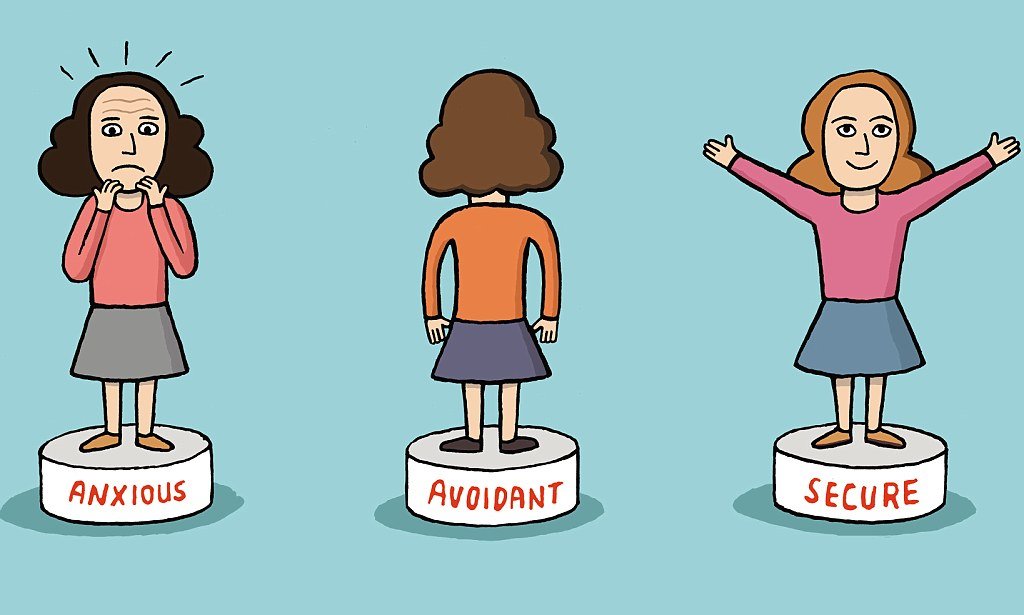
Attachment styles, formed during childhood, have a profound impact on how we relate to others throughout our lives, especially in romantic relationships. These patterns influence the way we seek closeness, handle conflict, express love, and manage stress. Understanding your attachment style, as well as your partner’s, can provide valuable insight into the dynamics of your relationship and help foster a more secure and fulfilling connection.

In this blog post, we’ll explore the four primary attachment styles—secure, anxious, avoidant, and disorganized—and how each one can shape the function of relationships.

1. Secure Attachment: The Foundation of Healthy Relationships

Individuals with a secure attachment style are comfortable with intimacy and independence. They trust their partners and feel safe expressing their needs without fear of rejection or abandonment. People with secure attachment are generally well-adjusted in relationships, exhibiting:

Open communication: They feel confident discussing their emotions and concerns.

Healthy conflict resolution: Securely attached individuals tend to address issues calmly, without resorting to manipulation or avoidance.

Balanced connection: They value closeness but also respect each other’s autonomy and need for personal space.

A secure attachment style creates a stable, trusting foundation that promotes emotional safety and mutual support. Both partners are likely to feel seen, heard, and respected, which allows the relationship to thrive even through challenges.

2. Anxious Attachment: Seeking Constant Reassurance

Individuals with an anxious attachment style often struggle with fears of abandonment and insecurity. They may require frequent validation from their partner and can feel anxious when they don’t receive enough attention or reassurance. This attachment style often leads to:

Clinginess or neediness: Anxiously attached individuals may constantly seek validation from their partner, which can become overwhelming in the relationship.

Fear of abandonment: They might interpret small issues as signs of potential rejection, leading to heightened emotional responses or jealousy.

Over-investment: They may invest heavily in the relationship early on, sometimes at the expense of their own well-being.

In relationships, anxious individuals may experience intense emotional highs and lows, which can strain the connection. However, when paired with a secure partner who provides reassurance and stability, anxiously attached individuals can gradually develop greater emotional security and confidence.

3. Avoidant Attachment: Fear of Intimacy and Emotional Closeness

Those with an avoidant attachment style often have difficulty with emotional closeness and intimacy. They value independence and may see relationships as a threat to their autonomy. Avoidantly attached individuals tend to:

Distance themselves emotionally: They may avoid deep emotional conversations or physical closeness to protect themselves from vulnerability.

Prioritize independence: They can appear self-reliant, often pulling away when their partner seeks closeness or intimacy.

Suppress emotions: Rather than dealing with emotional discomfort, they may withdraw, shut down, or avoid confrontation.

Avoidant attachment can make it challenging to build a strong emotional connection in relationships. The partner of an avoidantly attached individual might feel rejected or unloved, while the avoidant person feels overwhelmed by the demands of closeness. With understanding and communication, however, avoidant individuals can learn to manage their discomfort with intimacy and open up emotionally.

4. Disorganized Attachment: The Push and Pull of Emotional Instability

The disorganized attachment style is often the result of severe childhood trauma or inconsistent caregiving. Individuals with this style experience conflicting desires for intimacy and fear of it, leading to a chaotic push-pull dynamic in relationships. This attachment style is characterized by:

Fearful avoidance: They may crave closeness but simultaneously fear it, leading to unpredictable behaviors.

Emotional instability: Their behavior in relationships can be erratic, swinging between extreme clinginess and sudden withdrawal.

Difficulty trusting: Disorganized individuals often struggle with trusting their partners, which can lead to controlling behaviors or emotional manipulation.

Relationships with disorganized attachment can be emotionally exhausting, as both partners may feel confused and unsure of how to meet each other’s needs. Therapy and self-awareness can be crucial for individuals with this attachment style to break the cycle of fear and develop healthier relational patterns.

5. How Attachment Styles Interact in Relationships

Attachment styles don’t operate in isolation—how one person’s style interacts with their partner’s can greatly influence the relationship dynamic. For instance:

Secure-Secure: This combination typically leads to stable, balanced relationships where both partners feel supported and connected.

Secure-Anxious: The secure partner can help soothe the anxious partner’s fears, creating a more stable dynamic. However, if the anxious partner’s need for reassurance is excessive, it may strain the secure partner’s emotional bandwidth.

Secure-Avoidant: The secure partner may offer emotional support, but the avoidant partner’s reluctance to engage emotionally can create a sense of distance. With time, the avoidant partner may feel safer to open up.

Anxious-Avoidant: This pairing can be particularly challenging, as the anxious partner seeks more intimacy while the avoidant partner pulls away, creating a cycle of unmet needs and increasing frustration.

Understanding these dynamics allows couples to recognize how their attachment styles contribute to the relationship’s challenges and growth. With open communication and effort from both partners, they can work toward a more secure and emotionally fulfilling relationship.

6. Healing Attachment Wounds in Relationships

While attachment styles can significantly affect relationships, they aren’t set in stone. Healing from insecure attachment patterns is possible through self-awareness, therapy, and healthy communication. Here are some steps to foster more secure relationships:

Self-awareness: Understanding your own attachment style and how it influences your relationship behaviors is the first step in breaking unhealthy patterns.

Open communication: Discuss your attachment needs and fears with your partner. This can help both partners understand and support each other more effectively.

Therapy: Individual or couples therapy can provide tools to work through attachment issues and develop more secure behaviors in relationships.

Patience and reassurance: If one partner struggles with an insecure attachment style, the other partner’s patience and consistent reassurance can help foster a greater sense of security over time.

Attachment styles play a crucial role in shaping the function of relationships. Understanding how different attachment patterns influence behavior and emotional responses can help couples navigate challenges and build deeper, more secure connections. Whether you or your partner have a secure or insecure attachment style, awareness and communication are key to creating a healthy, balanced, and fulfilling relationship. By working together, couples can break the cycle of insecure attachment and foster a stronger, more resilient bond.

How Childhood Trauma Affects Adult Relationships: Breaking the Cycle

Childhood experiences lay the foundation for how we relate to others throughout our lives. Unfortunately, when trauma occurs during those formative years, it can profoundly impact how we approach adult relationships. Whether it’s emotional, physical, or psychological trauma, the wounds from childhood often carry over into adulthood, influencing everything from trust and intimacy to communication and self-worth.

Understanding the effects of childhood trauma on adult relationships is the first step toward healing and building healthier, more fulfilling connections. In this blog post, we’ll explore how early trauma shapes our attachment styles, triggers defense mechanisms, and affects our ability to maintain strong, balanced partnerships.

1. Attachment Styles and Childhood Trauma

Attachment theory suggests that the way we bond with caregivers as children influences how we form relationships as adults. Trauma in childhood, especially when it involves inconsistent or unavailable caregivers, can result in insecure attachment styles. These include:

Anxious Attachment: Individuals with anxious attachment often fear abandonment and may become overly dependent or clingy in relationships. Their fear of being unloved or rejected can lead to patterns of emotional volatility or codependency.

Avoidant Attachment: People with avoidant attachment tend to suppress their emotions and avoid closeness, fearing vulnerability or rejection. They may struggle with intimacy and prioritize independence over connection.

Disorganized Attachment: This attachment style is often the result of severe trauma, such as abuse or neglect. Individuals may have conflicting feelings about relationships, desiring connection while simultaneously fearing it. This can result in unpredictable behavior and emotional instability.

Understanding your attachment style is crucial in recognizing how childhood trauma may affect your approach to relationships.

2. Emotional Triggers and Defense Mechanisms

Trauma can leave deep emotional scars that show up as triggers in adult relationships. A seemingly small conflict or misunderstanding may evoke intense feelings of fear, shame, or anger rooted in past experiences. These triggers often activate defense mechanisms, such as:

Avoidance: Many trauma survivors avoid confrontation or emotional intimacy as a way to protect themselves from being hurt.

Overreaction: Small issues may feel disproportionately threatening, leading to heightened emotional responses that can strain relationships.

People-Pleasing: Trauma survivors might adopt people-pleasing behaviors to gain approval or avoid conflict, which can result in an unhealthy imbalance in relationships.

Recognizing these defense mechanisms can help individuals manage their emotional responses and communicate more effectively with their partners.

3. Trust and Vulnerability Issues

Trust is often a major hurdle for adults who experienced trauma in childhood. Betrayal, neglect, or abuse can make it difficult to trust others fully, leading to challenges in forming secure and open relationships. Individuals may fear being vulnerable, believing that opening up will lead to further hurt or rejection.

This lack of trust can manifest in behaviors like:

Jealousy or possessiveness: Fear of losing a partner due to underlying insecurity.

Emotional withdrawal: Avoiding deep connections to protect oneself from potential harm.

For relationships to thrive, it’s important to rebuild trust through open communication, reassurance, and patience from both partners.

4. Self-Worth and Relationship Dynamics

Childhood trauma often distorts a person’s self-image, leaving them feeling unworthy of love, care, or happiness. Low self-esteem can manifest in adult relationships through patterns of settling for unhealthy partnerships, tolerating mistreatment, or pushing people away due to feelings of inadequacy.

In these cases, individuals may:

Choose emotionally unavailable partners: Reinforcing the belief that they don’t deserve love or commitment.

Sabotage relationships: Believing they are not worthy of happiness, they may unconsciously push away partners who offer genuine care.

Building self-worth and breaking these patterns is crucial for cultivating healthy, fulfilling relationships.

5. Healing and Breaking the Cycle

While childhood trauma can have a lasting impact on adult relationships, it’s important to know that healing is possible. Awareness of how trauma affects your behavior and emotional responses is the first step in breaking the cycle. Here are some ways to promote healing:

Therapy: Seeking professional help, such as cognitive-behavioral therapy (CBT) or trauma-focused therapy, can provide tools to process trauma and develop healthier relationship patterns.

Open Communication: Having honest conversations with your partner about your trauma and its effects can foster understanding and support.

Mindfulness and Self-Awareness: Practicing mindfulness helps you stay grounded in the present, reducing the impact of triggers and enhancing emotional regulation.

Building Trust Gradually: Take small steps toward vulnerability and trust with a partner who understands and respects your emotional boundaries.

The effects of childhood trauma on adult relationships are real, but they don’t have to be permanent. By recognizing the impact of trauma, understanding attachment styles, and actively working through emotional triggers, individuals can break free from the cycle and build healthier, more connected relationships. Healing from childhood trauma requires patience, self-compassion, and, in many cases, the support of a loving partner, but it’s a journey worth taking for the sake of lasting love and emotional fulfillment.

Postmodern Relationship Views: Redefining Love and Commitment

The landscape of relationships has changed dramatically over the past few decades, and today’s views on love, commitment, and partnership are more fluid and dynamic than ever before. In the postmodern era, traditional notions of relationships are being questioned, redefined, and reshaped, leading to a more individualized and diverse understanding of what it means to connect with others. As society shifts towards embracing personal freedom, inclusivity, and nonconformity, postmodern relationship views reflect these changes in profound ways.

What Are Postmodern Relationship Views?

Postmodernism, at its core, rejects rigid structures and emphasizes plurality, diversity, and individualism. When applied to relationships, this philosophical approach encourages people to challenge conventional ideas about love, marriage, and commitment. In contrast to the modern era, where relationships were often defined by clear social expectations (such as lifelong monogamy, marriage, and gender roles), postmodern views emphasize flexibility, personal autonomy, and a more open-ended approach to connection.

Here are some key aspects of postmodern relationship views:

1. The Deconstruction of Traditional Marriage

In the postmodern view, marriage is no longer seen as the default goal for every romantic relationship. While marriage was once a societal expectation, particularly for long-term partnerships, many now view it as just one of many possible paths. Cohabitation, long-term dating without marriage, and partnerships without the intention of lifelong commitment are becoming more normalized. People are questioning the necessity of marriage, its legal and financial implications, and whether it’s required for a successful and fulfilling relationship.

2. Open Relationships and Ethical Non-Monogamy

Postmodern relationships also embrace the idea that monogamy is not the only valid relationship model. Open relationships, polyamory, and ethical non-monogamy have gained increased visibility and acceptance. In these arrangements, partners agree to have emotional or physical connections with others while maintaining a primary relationship. This challenges the traditional notion that exclusivity is necessary for love and commitment and opens the door to more diverse ways of forming meaningful connections.

3. Gender and Sexuality Fluidity

Another defining feature of postmodern relationship views is the rejection of rigid gender roles and the embrace of fluidity in both gender and sexuality. Relationships are no longer confined to the binary expectations of male and female partnerships. LGBTQ+ relationships, non-binary identities, and the idea that love can exist beyond traditional gender constructs are celebrated. People are more open to exploring relationships that feel authentic to their identities, rather than conforming to societal norms.

4. The Rise of Self-Love and Independence

In postmodern relationship dynamics, the importance of self-love and independence is heavily emphasized. While traditional relationships often revolved around the idea of two people completing each other, postmodern relationships prioritize individual growth and fulfillment. Partners are encouraged to maintain their own interests, friendships, and goals, viewing their relationship as a complement to their lives rather than the center of it. This shift promotes healthier, more balanced dynamics where both individuals can thrive independently and together.

5. Technology’s Role in Modern Love

The digital age has had a significant impact on how people form and maintain relationships. Online dating, social media, and communication apps have made it easier to connect with people from all over the world, offering more opportunities for diverse relationship experiences. Technology has also introduced new challenges, such as navigating long-distance relationships, managing digital boundaries, and dealing with issues like online infidelity. Postmodern views embrace the idea that relationships are no longer confined to physical spaces and that love can flourish in virtual environments as well.

6. Redefining Commitment

Commitment in postmodern relationships is often seen as more fluid and negotiable. Instead of following a one-size-fits-all approach, couples are more likely to define the terms of their relationship based on mutual agreement and what works best for them. Some may choose long-term commitment without marriage, while others might redefine fidelity or embrace periods of separation without ending the relationship. Postmodern couples often reject the idea that there is a single, correct way to commit and instead craft relationships that suit their unique needs.

7. Diverse Family Structures

Postmodernism also embraces the idea that families don’t have to follow traditional models. Blended families, co-parenting arrangements, and even platonic partnerships raising children are becoming more common. These diverse family structures reflect the understanding that love, support, and caregiving can take many forms, and that a “family” is not solely defined by biology or conventional roles.

Challenges of Postmodern Relationship Views

While the postmodern approach to relationships offers more freedom and inclusivity, it also presents certain challenges. The flexibility and fluidity in defining relationships can sometimes lead to uncertainty, miscommunication, or difficulties in maintaining long-term stability. Additionally, balancing personal independence with partnership requires strong communication skills and a willingness to constantly renegotiate relationship terms.

There can also be societal pushback, as more traditional views on love and relationships remain deeply ingrained in many cultures. Navigating these external pressures while living authentically can be a challenge for couples who adopt postmodern views.

Embracing the Diversity of Modern Love

Postmodern relationship views represent a cultural shift towards greater acceptance of diversity, fluidity, and individualism in how we experience love and connection. By rejecting rigid norms and embracing the freedom to define relationships on our own terms, people can create partnerships that are more authentic, fulfilling, and aligned with their personal values. Whether through non-traditional family structures, open relationships, or a renewed emphasis on self-love and independence, postmodern relationships are shaping the future of love in a way that celebrates diversity and embraces change.

Love Languages: How Understanding Them Can Strengthen Your Bond

In the journey of love and relationships, understanding how you and your partner express and receive love can be a game-changer. This is where the concept of “love languages” comes into play. Coined by Dr. Gary Chapman in his bestselling book The 5 Love Languages: The Secret to Love that Lasts, the idea is simple yet profound: each person has a preferred way of giving and receiving love, and understanding these preferences can lead to stronger, more fulfilling relationships.

What Are the Five Love Languages?

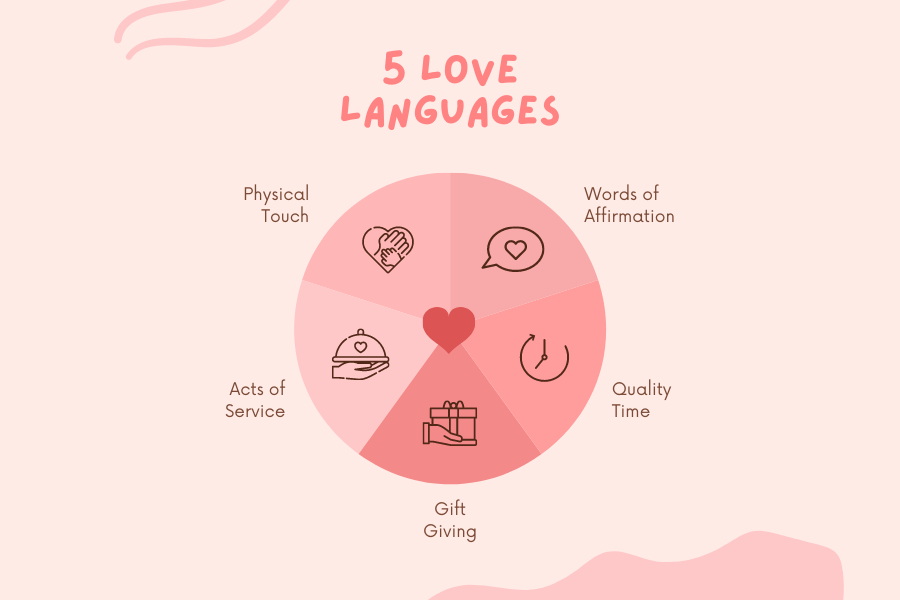
Dr. Chapman identified five primary love languages, each representing a different way of expressing and receiving love:

1. Words of Affirmation:

• For some, words hold incredible power. Compliments, verbal encouragement, and expressions of appreciation are the keys to their heart. Simple phrases like “I love you,” or “You mean so much to me,” can make them feel cherished and valued.

2. Acts of Service:

• Actions often speak louder than words. For those who value acts of service, nothing says “I love you” more than someone going out of their way to help them. Whether it’s doing the dishes, running errands, or helping with a project, these acts show care and commitment.

3. Receiving Gifts:

• It’s not about the material value but the thoughtfulness behind the gift. For some, receiving a meaningful gift is a tangible expression of love. It shows that their partner was thinking of them and took the time to choose something special.

4. Quality Time:

• Undivided attention and meaningful time together are vital for those who value quality time. Whether it’s a quiet evening at home or an adventurous day out, the key is being fully present and engaged with your partner.

5. Physical Touch:

• Physical touch is a powerful way to communicate love. For some, it’s essential to feel connected through touch, whether it’s holding hands, hugging, or cuddling. These small gestures can convey affection and reassurance.

How Understanding Love Languages Can Strengthen Your Relationship

Understanding your partner’s love language—and your own—can transform how you relate to each other. Here’s how:

1. Enhances Communication:

• Knowing each other’s love languages helps you communicate more effectively. Instead of guessing what might make your partner feel loved, you can express affection in ways that resonate deeply with them.

2. Prevents Misunderstandings:

• Misunderstandings often arise when partners express love in different ways. For example, one partner might show love through acts of service, while the other craves verbal affirmations. Understanding love languages helps bridge this gap, reducing feelings of neglect or unappreciation.

3. Strengthens Emotional Connection:

• When both partners feel loved and appreciated in their preferred way, it naturally strengthens the emotional bond. This leads to a more satisfying and intimate relationship, where both partners feel understood and valued.

4. Encourages Mutual Growth:

• Learning about love languages encourages personal growth. It invites you to step outside of your comfort zone and express love in ways that might not come naturally, fostering a deeper connection and a more harmonious relationship.

5. Builds Lasting Love:

• Love languages are not a one-time fix but a lifelong practice. As your relationship evolves, revisiting and adapting to each other’s love languages can help maintain and deepen your connection over time.

Practical Steps to Apply Love Languages in Your Relationship

1. Discover Your Love Languages:

• Take the time to discover your own love language and that of your partner. Dr. Chapman’s book includes a quiz, but simply observing what makes each of you feel most loved can also provide insight.

2. Communicate Openly:

• Discuss your love languages with each other. Share what makes you feel loved and listen to your partner’s needs without judgment. This open dialogue lays the groundwork for a stronger connection.

3. Be Intentional:

• Make a conscious effort to express love in your partner’s preferred love language. It might feel unnatural at first, especially if it’s different from your own, but over time, it will become more intuitive.

4. Be Patient and Understanding:

• It’s important to remember that relationships take work, and adjusting to each other’s love languages is a process. Be patient with each other, and understand that it’s okay to make mistakes along the way.

5. Reevaluate Over Time:

• Love languages can evolve as relationships grow and change. Periodically check in with each other to ensure that you’re still meeting each other’s needs and to make adjustments as necessary.

Understanding and applying the concept of love languages can be a powerful tool in building a deeper, more meaningful relationship. By recognizing and honoring the way your partner feels most loved, you create a foundation of mutual respect, appreciation, and connection. Love languages remind us that love is not just about feelings but about action—consistently choosing to express love in ways that matter most to your partner. With this understanding, you can nurture a relationship that not only endures but thrives.

Navigating Infidelity in a Relationship: Steps Toward Healing and Rebuilding Trust

Infidelity is one of the most painful experiences a relationship can endure. The betrayal of trust, the hurt, and the anger that follow can be overwhelming for both partners. However, while the road ahead may be difficult, it’s possible to navigate through the pain and work toward healing and rebuilding the relationship. Here’s how couples can start the journey of recovery after infidelity.

Understanding the Impact of Infidelity

Infidelity shatters the foundation of trust that a relationship is built on. The partner who has been betrayed may experience a wide range of emotions, including shock, anger, sadness, and confusion. They may question the entire relationship and feel as though their world has been turned upside down. The partner who committed the infidelity often deals with guilt, shame, and the fear of losing their partner and the relationship altogether.

The impact of infidelity isn’t just emotional; it can affect every aspect of life, from self-esteem to the ability to trust again. Recognizing the profound impact of infidelity is the first step in understanding why healing takes time and effort from both partners.

Steps to Begin the Healing Process

1. Acknowledge the Pain:

Both partners need to acknowledge the pain and damage caused by the infidelity. The betrayed partner should feel heard and validated in their emotions, while the partner who committed the infidelity must take responsibility for their actions. It’s crucial to create an environment where open and honest communication can occur.

2. Seek Professional Help:

Infidelity is a complex issue that often requires the guidance of a professional therapist or counselor. A therapist can help couples navigate the intense emotions involved, provide tools for communication, and offer strategies for rebuilding trust. Seeking help early in the process can prevent further damage and guide the couple toward healing.

3. Commit to Transparency:

Rebuilding trust after infidelity requires complete transparency. The partner who committed the infidelity must be willing to answer difficult questions, be open about their actions, and avoid secrecy. This might include sharing details of the affair, being open about their whereabouts, and being accountable for their actions moving forward.

4. Set Boundaries and Expectations:

Both partners should agree on clear boundaries and expectations for the future. This might involve deciding on what is and isn’t acceptable in the relationship, setting guidelines for communication, and agreeing on steps to prevent future issues. Establishing these boundaries helps create a sense of safety and security as the couple works through their issues.

5. Allow Time for Healing:

Healing from infidelity is a long process that requires patience from both partners. The betrayed partner needs time to process their emotions, and the partner who committed the infidelity must be patient and supportive throughout this journey. It’s essential to understand that healing won’t happen overnight, and setbacks may occur.

6. Focus on Rebuilding the Relationship:

Once the initial shock and pain have been addressed, couples can begin the process of rebuilding their relationship. This involves reconnecting on an emotional and physical level, working on communication, and rediscovering what brought them together in the first place. It’s about creating a new foundation for the relationship, one that is stronger and more resilient.

Rebuilding Trust: A Step-by-Step Approach

Rebuilding trust is one of the most challenging aspects of recovering from infidelity. Trust is not something that can be restored overnight; it requires consistent effort and commitment from both partners.

1. Be Honest and Open:

Honesty is the cornerstone of rebuilding trust. The partner who committed the infidelity must be willing to be open about their actions and feelings, even when it’s uncomfortable. This honesty helps to rebuild the trust that was broken.

2. Practice Forgiveness:

Forgiveness is a critical step in the healing process, but it doesn’t happen all at once. The betrayed partner needs time to process their emotions and decide whether they can forgive their partner. The partner who committed the infidelity must be patient and understand that forgiveness is a journey.

3. Consistent Actions:

Trust is rebuilt through consistent, trustworthy actions over time. The partner who committed the infidelity must show through their actions that they are committed to the relationship and to rebuilding trust. This consistency helps to gradually restore the sense of safety in the relationship.

4. Reaffirm Commitments:

Reaffirming commitment to the relationship and to each other is an essential part of rebuilding trust. This can be done through verbal affirmations, spending quality time together, and demonstrating through actions that the relationship is a priority.

5. Work Together as a Team:

Rebuilding trust is a joint effort. Both partners need to work together, supporting each other through the process. This teamwork approach can help to strengthen the bond between them and create a deeper connection.

When Rebuilding Isn’t Possible

While many couples can rebuild their relationship after infidelity, it’s important to recognize that this isn’t always possible. In some cases, the damage may be too great, or the relationship may not have a solid enough foundation to recover. In these situations, ending the relationship might be the healthiest option for both partners.

Recognizing when it’s time to move on can be difficult, but it’s important to prioritize each partner’s well-being. If the relationship is causing more pain than happiness, it may be time to consider other paths forward.

Navigating infidelity in a relationship is an incredibly challenging and painful experience. However, with the right support and a commitment to healing, many couples can rebuild their relationship and emerge stronger than before. Whether the path leads to reconciliation or a decision to part ways, what matters most is that both partners find a way to heal and move forward in a healthy and positive direction.

Infidelity doesn’t have to be the end of a relationship, but it does mark the beginning of a new chapter—one that requires honesty, commitment, and a deep willingness to grow together.

The Heartbreaking Impact of Losing a Child on a Marriage: Navigating Grief Together

The loss of a child is one of the most devastating experiences any parent can endure. It shatters the natural order of life, leaving parents to grapple with unimaginable grief and a profound sense of loss. While each person’s grief journey is unique, the impact of losing a child can ripple through every aspect of life, including marriage. In many cases, this tragedy either strengthens the bond between partners or strains it to the breaking point.

The Emotional Aftermath

Grieving the loss of a child is an intensely personal experience, and it often manifests differently for each parent. This can lead to misunderstandings and feelings of isolation within a marriage. One partner may be overwhelmed with sorrow, struggling to find a way forward, while the other might focus on staying strong, compartmentalizing their grief to manage day-to-day responsibilities. These differences in coping mechanisms can create emotional distance between partners, even as they both struggle with the same heartbreaking loss.

Common Challenges Couples Face

1. Communication Breakdown:

The pain of losing a child can make it difficult for couples to communicate effectively. Partners may feel that they cannot fully express their emotions without causing further pain, leading to silence or avoidance. This lack of communication can result in misunderstandings and a sense of emotional disconnection.

2. Blame and Guilt:

Parents often grapple with feelings of guilt and self-blame after losing a child, wondering if they could have done something differently to prevent the tragedy. These feelings can sometimes be projected onto a partner, leading to resentment and blame within the relationship. Even when these feelings are unspoken, they can create a significant strain on the marriage.

3. Different Grieving Styles:

Grief is a deeply individual process, and couples may find that they grieve in very different ways. One partner may need to talk about the loss frequently, while the other might prefer to grieve privately or avoid discussing it altogether. These differing approaches can lead to frustration and a sense of being unsupported or misunderstood.

4. Intimacy Issues:

The emotional and physical toll of grief can impact intimacy in a marriage. Some couples may find it difficult to maintain physical closeness, while others may feel that their emotional connection has been altered by the shared trauma. This can lead to further feelings of isolation and disconnection.

5. External Pressures:

In addition to the internal challenges of coping with grief, couples may face external pressures from family, friends, and societal expectations. Well-meaning advice or expectations about how to “move on” or “stay strong” can add to the stress, making it harder for couples to navigate their grief in their own way.

The Potential for Growth and Healing

While the loss of a child is an overwhelming and traumatic experience, it can also serve as a turning point in a marriage. For some couples, the shared experience of grief can lead to a deeper bond, as they lean on each other for support and understanding. By facing the pain together, they may find new strength in their relationship and a renewed commitment to each other.

1. Open and Honest Communication:

One of the most important factors in navigating grief as a couple is maintaining open and honest communication. It’s crucial for both partners to express their feelings, fears, and needs without judgment. This can help prevent misunderstandings and foster a sense of mutual support.

2. Seeking Support:

Many couples benefit from seeking external support, such as counseling or support groups for grieving parents. Professional help can provide a safe space to explore complex emotions and offer strategies for coping with grief in a way that strengthens the relationship.

3. Allowing Space for Individual Grief:

While it’s important to grieve together, it’s equally essential to respect each other’s individual grieving processes. Allowing each partner the space to grieve in their own way can reduce tension and help prevent feelings of resentment.

4. Finding Meaning and Purpose:

Some couples find solace in creating a legacy for their lost child, whether through charity work, advocacy, or other meaningful projects. This can provide a sense of purpose and help channel grief into positive action, fostering a sense of connection and shared goals within the marriage.

5. Rebuilding Intimacy:

Rebuilding physical and emotional intimacy after such a loss can take time and patience. Couples should approach this aspect of their relationship with care, understanding that the grieving process can affect intimacy in various ways. Being gentle with each other and prioritizing emotional closeness can help rebuild this aspect of the relationship over time.

When to Seek Professional Help

Not all marriages survive the loss of a child, and that’s a painful reality for some couples. If the grief becomes too overwhelming, or if communication and connection break down to the point where the relationship feels irreparable, it may be time to seek professional help. Marriage counseling or therapy can provide a neutral space to work through these challenges and explore whether the relationship can be healed.

The loss of a child is an unimaginable tragedy that can deeply impact a marriage. While the grieving process is intensely personal and often difficult to navigate, it also offers an opportunity for couples to grow closer and support each other through one of life’s most challenging experiences. By prioritizing communication, seeking support, and allowing space for individual grief, couples can work together to heal and find a path forward. Though the journey of grief is long and complex, it’s possible to emerge from it with a stronger, more resilient relationship.

The Power of Couples Therapy: Strengthening Relationships Through Communication and Connection

In every relationship, there are moments of joy, love, and connection, but there can also be challenges, misunderstandings, and conflict. These difficulties are a normal part of any partnership, but when they become overwhelming or persistent, they can strain the bond between partners. This is where couples therapy comes in—a valuable resource that can help couples navigate their challenges, improve communication, and rekindle their connection.

What is Couples Therapy?

Couples therapy, also known as marriage or relationship counseling, is a type of psychotherapy that focuses on helping couples improve their relationship. This form of therapy is guided by a licensed therapist who specializes in relationship dynamics. Couples therapy provides a safe and structured environment where partners can openly discuss their concerns, explore their emotions, and work toward resolving conflicts.

The goal of couples therapy is not just to solve immediate problems, but to equip partners with the tools and skills they need to build a healthier, more resilient relationship for the future.

Common Reasons Couples Seek Therapy

Couples seek therapy for a variety of reasons, including:

1. Communication Issues:

Poor communication is one of the most common challenges in relationships. Misunderstandings, arguments, and a lack of effective communication can lead to frustration and emotional distance. Couples therapy can help partners develop better communication skills, fostering understanding and empathy.

2. Conflict Resolution:

All couples experience conflict, but how they handle it can make or break the relationship. Couples therapy provides strategies for resolving conflicts in a healthy and constructive way, reducing the likelihood of recurring arguments.

3. Trust Issues:

Trust is the foundation of any relationship. When trust is broken—whether through infidelity, dishonesty, or other breaches—it can be difficult to rebuild. Couples therapy can help partners address these issues, rebuild trust, and heal from past hurts.

4. Emotional Distance:

Over time, some couples may feel emotionally disconnected from one another. Therapy can help partners reconnect by exploring underlying issues and fostering intimacy and emotional closeness.

5. Life Transitions:

Major life changes, such as marriage, having children, moving, or career shifts, can put stress on a relationship. Couples therapy can help partners navigate these transitions and maintain a strong bond.

6. Intimacy and Sexual Issues:

Changes in sexual desire, performance, or intimacy can create tension and dissatisfaction in a relationship. Couples therapy offers a space to discuss these sensitive topics openly and find ways to improve intimacy.

7. Parenting Challenges:

Raising children can bring joy, but it can also introduce new challenges and conflicts between partners. Couples therapy can help parents align their parenting styles, manage stress, and maintain a healthy partnership.

How Couples Therapy Works

1. Initial Assessment:

Couples therapy typically begins with an initial assessment, where the therapist meets with both partners to discuss their concerns and goals for therapy. This session helps the therapist understand the dynamics of the relationship and develop a tailored treatment plan.

2. Regular Sessions:

Couples attend regular therapy sessions, usually once a week, where they work through their issues with the guidance of the therapist. These sessions may involve exercises to improve communication, explore emotions, and develop problem-solving skills.

3. Homework and Practice:

Between sessions, couples may be given “homework” to practice the skills they’ve learned in therapy. This could include communication exercises, journaling, or specific actions to strengthen the relationship.

4. Continued Progress:

As therapy progresses, couples work toward their goals, whether that’s resolving specific issues, improving overall relationship satisfaction, or preparing for a significant life change. The therapist provides support and guidance throughout this process.

The Benefits of Couples Therapy

1. Improved Communication:

One of the most significant benefits of couples therapy is improved communication. Couples learn how to express their needs and feelings more effectively and listen to each other with empathy and understanding.

2. Stronger Emotional Connection:

Therapy helps couples reconnect emotionally, fostering a deeper sense of intimacy and trust. This renewed connection can lead to greater relationship satisfaction.

3. Effective Conflict Resolution:

Couples therapy equips partners with tools to manage and resolve conflicts in a healthy way. This reduces the frequency and intensity of arguments and promotes a more peaceful relationship.

4. Increased Understanding and Empathy:

Through therapy, partners gain a better understanding of each other’s perspectives and experiences. This increased empathy can strengthen the bond between them and create a more supportive partnership.

5. Preventative Care:

Couples therapy isn’t just for relationships in crisis. Many couples seek therapy as a preventative measure to strengthen their relationship and address potential issues before they become major problems.

When to Seek Couples Therapy

It’s never too early or too late to seek couples therapy. Whether you’re experiencing ongoing issues, navigating a difficult transition, or simply want to strengthen your relationship, therapy can provide valuable support. Some signs that couples therapy may be beneficial include:

• Frequent arguments or conflicts

• Communication breakdowns

• Emotional distance or disconnection

• Trust issues

• Difficulties with intimacy or sexual issues

• Feeling stuck or dissatisfied in the relationship

Couples therapy offers a powerful opportunity to strengthen relationships, improve communication, and build a deeper connection with your partner. Whether you’re facing specific challenges or simply want to enhance your relationship, therapy can provide the tools and support you need to create a healthier, more fulfilling partnership. Remember, seeking help is a sign of strength and commitment to your relationship—an investment in your shared future.