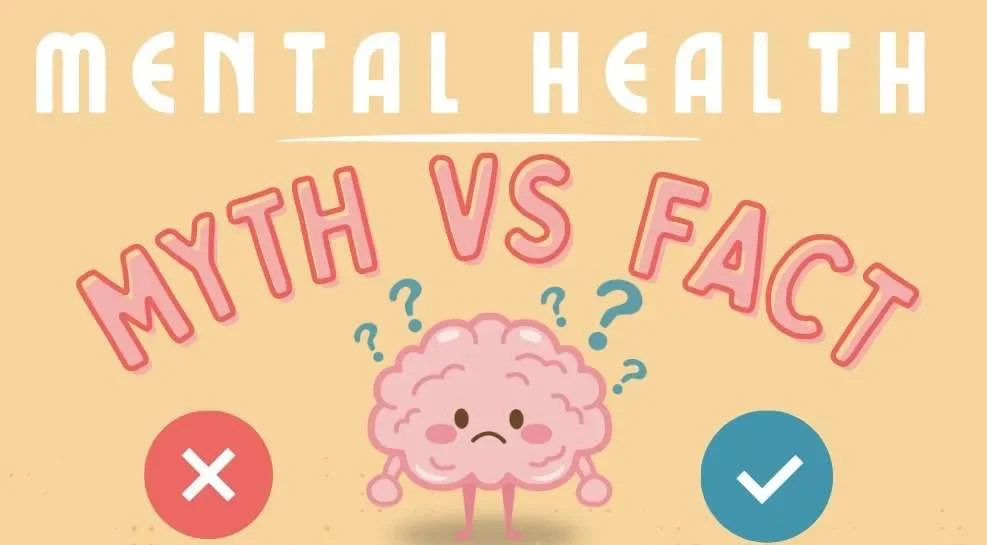
Mental Health Myths and Misconceptions

Written and Published by Christine Mayard

When people hear the words "mental health" or "therapy," many still think of outdated stereotypes. These misconceptions can make people feel ashamed, embarrassed, or afraid to ask for help. Unfortunately, these myths often keep people from getting the support they need.

The truth is that mental health is just as important as physical health. Just as we care for our bodies when we're sick or injured, we should also care for our emotional and mental well-being.

Let's take a look at some of the most common myths about mental health and therapy.

Myth #1: "Only 'crazy' people go to therapy."

This is one of the most common myths—and one of the most harmful.

The reality is that therapy is for anyone who wants support, healing, or personal growth. You don't have to be in a crisis or have a mental illness to benefit from counseling.

This misconception is something we hear more often than many people realize. While participating in a community event over the weekend, a woman walked past our table and jokingly asked, "Do I look crazy?" Although she meant it as a joke, her question reflected a common belief that keeps many people from seeking help.

Reflecting on this experience, our Clinical Director, Job W. Brunat, shared this perspective:

"A woman recently walked past our table and jokingly asked, 'Do I look crazy?' I smiled, but it highlighted one of the biggest barriers to mental health care—the belief that seeking help means something is wrong with you. The truth is, the strongest people I know are often the ones willing to ask for support. Mental health isn't about being broken; it's about investing in yourself before life forces you to."
— Job W. Brunat, Clinical Director, Challenges Conquered Counseling

People go to therapy for many reasons, including:

  • Managing stress

  • Coping with anxiety or depression

  • Working through grief or loss

  • Improving relationships

  • Adjusting to life changes

  • Building confidence

  • Learning healthy coping skills

  • Processing difficult experiences

Many people who attend therapy work full-time, go to school, raise families, and live active lives. Therapy simply gives them a safe and confidential place to talk through challenges, better understand themselves, and learn healthy ways to cope.

Going to therapy doesn't mean you're "crazy." It means you're taking care of your mental and emotional health.

Myth #2: "Asking for help means you're weak."

Many people grow up believing they should handle every problem on their own. They may worry that asking for help means they have failed.

In reality, reaching out for support takes courage. It means you're willing to recognize when something isn't working and take steps toward improving your well-being.

Just as you would see a doctor for a broken bone or a serious illness, it's okay to seek professional help for emotional struggles.

Asking for help isn't a sign of weakness—it's a sign of strength.

Myth #3: "Therapy is only for people with serious mental illness."

While therapy can help people living with mental health conditions, it also benefits people dealing with everyday challenges.

You don't have to wait until life feels overwhelming before seeking support.

Therapy can help you:

  • Manage stress

  • Improve communication

  • Set healthy boundaries

  • Build self-esteem

  • Handle major life changes

  • Strengthen relationships

  • Develop healthier coping skills

Many people choose therapy because they want to grow, not because something is "wrong" with them.

Myth #4: "If someone looks happy, they must be doing fine."

Mental health struggles are not always visible.

Someone may smile, go to work, spend time with friends, and still be dealing with anxiety, depression, grief, or overwhelming stress behind the scenes.

That's why it's important not to assume we know what someone else is going through. A simple conversation, kind word, or check-in can make a meaningful difference.

Myth #5: "Talking about mental health makes things worse."

Some people believe that talking about difficult emotions will only make them stronger or harder to manage.

The opposite is often true.

Having a safe place to talk about your thoughts and feelings can reduce feelings of isolation, increase understanding, and help people develop healthier ways to cope.

Therapy provides a supportive environment where people can explore challenges without fear of judgment.

Changing Our Perspective & Moving Beyond the Myths

Mental health affects everyone. At some point in life, most people will experience stress, grief, anxiety, relationship difficulties, or other emotional challenges.

The more we replace myths with facts, the more we create a culture where people feel comfortable asking for help without fear of being judged.

Seeking therapy isn't about being weak or "crazy." It's about investing in yourself, learning healthy coping skills, and improving your overall well-being.

A Safe Place to Begin

Taking the first step toward prioritizing your mental health can feel overwhelming, especially if seeking support is something you've never done before. No matter your background, culture, or life experiences, you deserve a space where you feel heard, respected, and supported.

At Challenges Conquered Counseling, our diverse team of clinicians is committed to providing compassionate, culturally responsive care for individuals, couples, families, and children. We recognize that every person's story is unique, and we strive to create a safe, welcoming environment where healing and personal growth can begin.

Whether you're experiencing anxiety, depression, trauma, stress, relationship challenges, or simply need someone to talk to, you don't have to face it alone. Therapy can provide the support, tools, and encouragement needed to help you move forward with greater confidence and hope.

Ready to take the next step in your mental health journey? Contact us today to schedule an appointment. We offer secure telehealth services throughout Florida, with in-person appointments available in Fort Lauderdale and Jacksonville.

July: National Minority Mental Health Awareness Month

Written and Published by Christine Mayard

Mental health affects everyone, regardless of race, culture, or background. However, not everyone has the same access to mental health care or feels equally comfortable seeking help. July is National Minority Mental Health Awareness Month, a time to recognize the importance of mental well-being in all communities and to raise awareness about the unique challenges that some racial and ethnic minority groups may face when seeking mental health support.

While every person's story is unique, culture, family values, and community experiences can influence how people view mental health. For many individuals, conversations about anxiety, depression, trauma, or therapy may not have been openly discussed while growing up. As a result, seeking help can sometimes feel unfamiliar or even difficult.

Why This Month Matters

Many people from minority communities experience barriers that can make it more difficult to receive mental health care. These may include:

  • Limited access to mental health services.

  • Financial barriers or lack of insurance coverage.

  • Language differences.

  • Cultural beliefs that may discourage talking about mental health.

  • Fear of stigma or being judged for asking for help.

These challenges can prevent people from receiving the support they need, even when they are struggling.

Why Representation Matters

Feeling understood can make a meaningful difference when beginning the therapy process. While no therapist can fully understand every experience, having providers from diverse backgrounds can help clients feel more comfortable sharing their stories. It also reminds people that mental health affects every community—and that asking for help is something to be encouraged, not hidden.

Our clinicians are committed to providing compassionate, culturally responsive care where every client feels respected, heard, and supported.

A Therapist's Perspective

At Challenges Conquered Counseling, we are proud to have a diverse team of clinicians from Black, Caribbean, and Hispanic backgrounds. One of our clinicians, Ashley, shared what being a therapist of color means to her and why representation can make a meaningful difference in the therapeutic relationship:

"Being a therapist of color means being accessible to individuals who are looking for a therapist who can understand, or more readily appreciate, the lived experiences that can come with being a person of color. While every person's story is unique, there can be comfort in working with someone who shares or recognizes aspects of those experiences.

I believe this has a meaningful impact on my clients. It allows them to enter a therapeutic space where they feel seen, understood, and free from judgment. My hope is that they can show up as their full, authentic selves, knowing their experiences will be met with empathy, curiosity, and respect."

- Ashley

Ways We Can Support Mental Health in Every Community

  • Normalize conversations about mental health. Talking openly helps reduce stigma and reminds others that they are not alone.

  • Listen without judgment. Sometimes the greatest support we can offer is simply listening with kindness and compassion.

  • Respect different backgrounds and experiences. Every person's story is unique, and understanding one another helps build trust and stronger communities.

  • Encourage professional support when needed. Therapy and counseling can provide valuable tools for healing, growth, and resilience.

Breaking the Stigma Together

This National Minority Mental Health Awareness Month, let's continue encouraging open conversations and creating spaces where people feel comfortable talking about their mental health without fear of judgment.

At Challenges Conquered Counseling, we believe every person deserves to feel heard, respected, and supported—regardless of their background. Together, we can build communities where every person—regardless of their background—feels seen, supported, and empowered to care for their mental health.

Mental health belongs to everyone, and everyone deserves the opportunity to heal, grow, and thrive.

Finding Care That Understands You

Taking the first step toward prioritizing your mental health can feel overwhelming, especially if seeking support is something you've never done before. No matter your background, culture, or life experiences, you deserve a space where you feel heard, respected, and supported.

At Challenges Conquered Counseling, our diverse team of clinicians is committed to providing compassionate, culturally responsive care for individuals, couples, families, and children. We recognize that every person's story is unique, and we strive to create a safe, welcoming environment where healing and personal growth can begin.

Whether you're experiencing anxiety, depression, trauma, stress, relationship challenges, or simply need someone to talk to, you don't have to face it alone. Therapy can provide the support, tools, and encouragement needed to help you move forward with greater confidence and hope.

Ready to take the next step in your mental health journey? Contact us today to schedule an appointment. We offer secure telehealth services throughout Florida, with in-person appointments available in Fort Lauderdale and Jacksonville.

Postmodern Relationship Views Part 2: When Modern Love Gets Complicated—How Therapy Can Help

Couples Therapy

In our previous article, Postmodern Relationship Views: Redefining Love and Commitment, we explored how society has shifted away from traditional ideas of dating, marriage, and commitment. Today's relationships are more diverse than ever, with couples creating unique definitions of love, partnership, and family that reflect their own values rather than societal expectations.

While this flexibility has opened the door for greater authenticity and acceptance, it has also introduced new challenges. Many couples find themselves asking questions that previous generations rarely had to answer:

  • What does commitment mean to us?

  • Are our expectations about exclusivity the same?

  • How do we balance independence with emotional intimacy?

  • How do we navigate social media, technology, and outside influences?

  • What happens when our values around marriage or family don't align?

These questions don't necessarily indicate that a relationship is failing. More often, they reflect the reality that modern relationships require intentional communication and shared understanding.

Why Modern Relationships Feel More Complicated

Previous generations often followed a fairly predictable relationship path: dating, marriage, children, and lifelong commitment. While no relationship has ever been simple, cultural expectations provided a general roadmap.

Today, couples have far more choices. Many choose to delay marriage, remain unmarried, prioritize careers, blend families, explore different relationship structures, or redefine traditional gender roles. These choices can create healthier, more authentic relationships—but they also require ongoing conversations about expectations.

Without those conversations, misunderstandings can develop around issues such as:

  • Commitment

  • Emotional availability

  • Communication

  • Financial responsibilities

  • Parenting

  • Physical intimacy

  • Boundaries with friends and social media

  • Long-term life goals

The challenge isn't that relationships have changed. The challenge is that couples often assume they share the same expectations without ever discussing them.

Communication Has Never Been More Important

One of the strongest predictors of relationship satisfaction isn't whether two people agree on every issue—it's how they communicate when they disagree.

Healthy communication involves more than simply talking. It requires:

  • Listening without becoming defensive

  • Expressing needs clearly

  • Validating your partner's perspective

  • Managing conflict respectfully

  • Repairing after disagreements

  • Remaining emotionally available during difficult conversations

When communication breaks down, even small misunderstandings can grow into recurring arguments, emotional distance, or resentment.

The Hidden Impact of Anxiety and Past Experiences

Many relationship struggles aren't caused by the relationship itself.

Past experiences—including childhood relationships, previous breakups, betrayal, family conflict, or trauma—often shape how we respond to our partners today.

You may notice:

  • Difficulty trusting others

  • Fear of abandonment

  • Avoiding vulnerability

  • Becoming overly independent

  • Constantly seeking reassurance

  • Emotional withdrawal during conflict

Understanding these patterns can help couples move away from blame and toward greater empathy.

When Is It Time to Consider Couples Therapy?

Many people believe therapy is only necessary when a relationship is on the verge of ending. In reality, the most successful couples often seek support long before problems become overwhelming.

Relationship counseling can help if you and your partner experience:

  • The same arguments over and over

  • Difficulty rebuilding trust after betrayal or infidelity

  • Emotional distance

  • Communication breakdowns

  • Parenting disagreements

  • Challenges navigating blended families

  • Major life transitions

  • Intimacy concerns

  • Anxiety affecting the relationship

  • Different expectations about commitment or the future

Therapy isn't about deciding who is right or wrong. It's about helping both partners understand each other more effectively and develop healthier ways of communicating, resolving conflict, and strengthening their relationship.

What Couples Therapy Can Help You Build

Relationship counseling focuses on creating practical skills that couples can continue using long after therapy ends.

These include:

  • Better communication

  • Stronger emotional connection

  • Healthier conflict resolution

  • Increased trust

  • Clearer boundaries

  • Improved emotional regulation

  • Greater understanding of each partner's needs

  • Shared relationship goals

  • More satisfying intimacy

  • Long-term relationship resilience

Every relationship experiences challenges. The goal isn't to eliminate conflict entirely but to learn how to navigate it together.

Frequently Asked Questions

Are modern relationships harder than relationships in the past?

Not necessarily. They simply involve different challenges. Today's couples have greater freedom to define their relationships, but that freedom often requires more intentional communication and shared decision-making.

Can couples therapy help even if we're not married?

Absolutely. Couples therapy can benefit dating couples, engaged couples, married couples, and long-term partners. Therapy focuses on improving the relationship itself rather than the legal status of the relationship.

Can therapy help after infidelity?

Yes. While rebuilding trust takes time, many couples successfully recover after infidelity with commitment, honesty, and professional support.

What if only one partner wants therapy?

It's common for one partner to feel more motivated than the other initially. Individual therapy can still provide valuable insight and often helps improve relationship dynamics, even if both partners don't attend together immediately.

You Don't Have to Figure It Out Alone

Healthy relationships don't happen by accident—they grow through intentional communication, mutual respect, emotional safety, and a willingness to continue learning about one another.

Whether you're navigating dating, marriage, blended families, life transitions, rebuilding trust after infidelity, or simply feeling disconnected from your partner, seeking support is a sign of commitment to your relationship—not a sign of failure.

At Challenges Conquered Counseling Services, our therapists help individuals and couples strengthen communication, rebuild trust, improve emotional intimacy, and develop healthier relationship patterns. We provide relationship counseling and couples therapy through secure telehealth services across Florida, with in-person appointments available in Fort Lauderdale and Jacksonville.

If your relationship has reached a point where the same conversations keep leading to the same frustrations, therapy can help you create new patterns that bring greater understanding, connection, and hope.

Ready to strengthen your relationship? Contact Challenges Conquered Counseling today to schedule an appointment and take the first step toward a healthier, more fulfilling relationship.

Changing the Conversation: Men's Mental Health Awareness Month

Written and Published by Christine Mayard

Everyone needs to take care of their mental health—even men. For a long time, men have been taught to be strong and tough and not show their emotions, because it has been seen as a sign of weakness. In society, women are often allowed to express their emotions more freely, but men’s emotions are often seen as “unmanly.” Yet, holding emotions inside can be harmful and can affect mental well-being.

How Bottling Emotions Can Do More Harm Than Good

  • When we do not deal with our emotions, they can build up inside of us. If we keep ignoring normal feelings, they can grow into more serious emotional and behavioral problems.

  • When emotions are repeatedly ignored instead of processed, sadness may lead to depression, anger can turn into resentment, and long-term fear or stress may lead to anxiety or burnout.

  • Holding in emotions can also stop friends and family from noticing when someone is struggling and offering support. This can make it harder to build strong, trusting relationships.

  • When society tells men that showing emotion is “unmanly,” it can discourage emotional openness, weaken emotional regulation skills, and pass this stigma on to the next generation.

As we can see, holding in emotions does not help us in the long run. It is important for men to understand, process, and express their emotions in healthy ways. Here is why:

Why It’s Important for Men to Show Their Emotions

  • Men can improve their overall well-being by taking care of their mental health.

  • It can help prevent emotional outbursts because feelings are processed instead of ignored.

  • It teaches the next generation healthy emotional regulation skills because children learn by watching adults.

  • Encouraging men to get help early may lower the risk of self-harm and suicide.

  • People of all genders can have suicidal thoughts and mental health struggles. However, men die by suicide at higher rates than women. This shows why it is important to reduce stigma and encourage men to seek help when they need it.

Men’s mental health needs support. Here are some ways to help:

Ways Men Can Support Their Mental Health and Ways We Can Support the Men in Our Lives

1. Normalize conversations about mental health - Ask simple questions like, “How have you been doing lately?” or “How are you really feeling?” This can help open honest conversations.

2. Listen without judgment - Give full attention when a man opens up. Listening without judgment helps him feel safe talking about his feelings.

3. Celebrate emotional openness - When men share their feelings and are supported, it shows them they are safe to be honest. It also helps create more open conversations in the future.

In celebrating Men’s Mental Health Awareness Month, let’s support the idea that men’s mental health matters. Little by little, we can help break the stigma around this topic. We are all human, and everyone needs care. If mental health matters for women, it should matter for men too.

So, as Men’s Mental Health Awareness Month comes to an end, what if we asked the men in our lives how they are really doing—and let them know we are here to listen without judgment? With open minds and open hearts, these conversations can show the men in our lives that they are cared for and that it is okay to talk about their feelings.

“Showing emotion is not a sign of weakness—it is a pathway toward healing.”

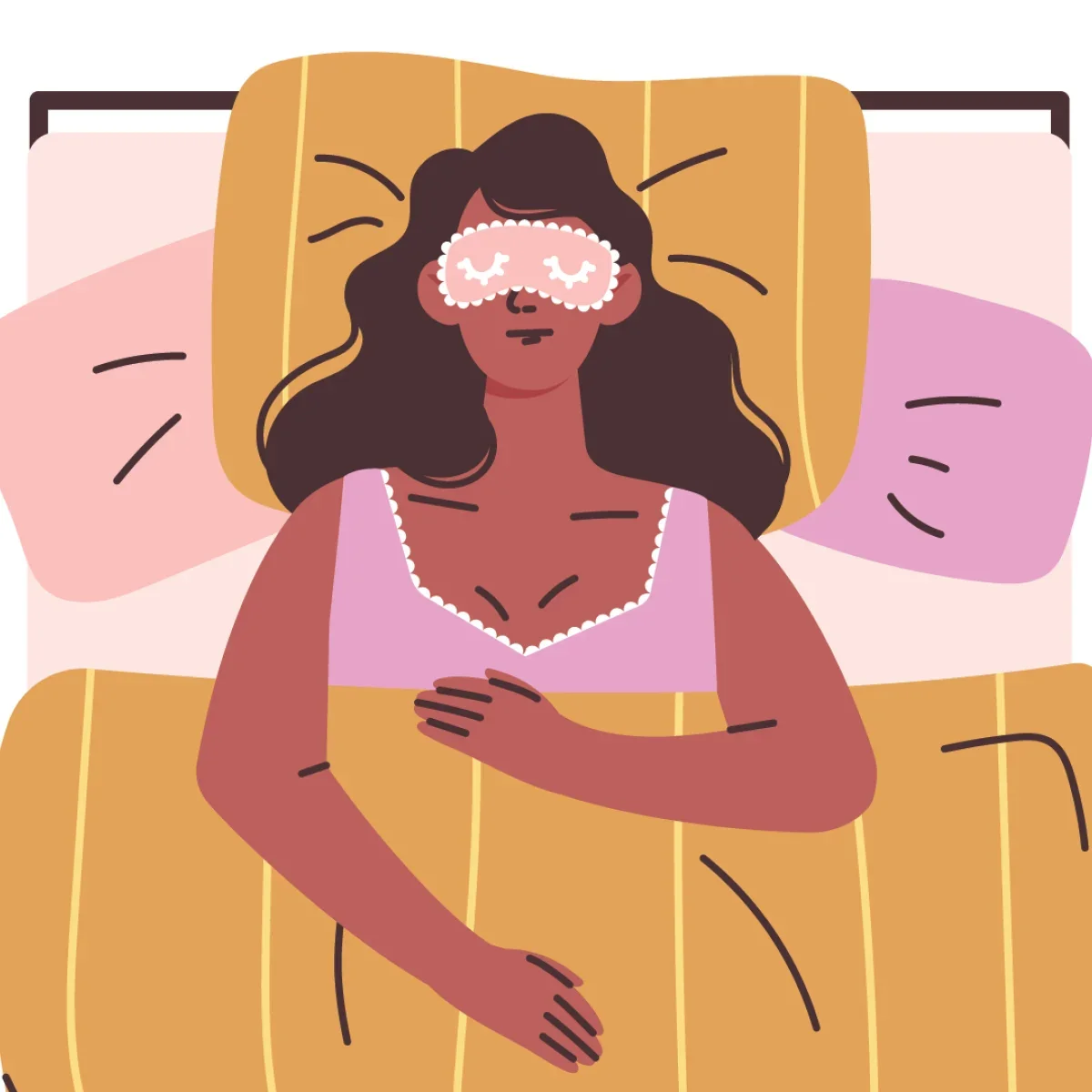
Sleepmaxxing: The New Wellness Trend That Puts Rest First

What Is Sleepmaxxing?

Sleepmaxxing is a rising wellness trend—popularized on TikTok and other platforms—that revolves around intentionally optimizing your sleep quality, duration, and efficiency. Rather than just aiming for more sleep, the focus is on making each hour count by building ideal habits, environments, and routines.

Why Is It Trending? The Appeal and Benefits

  • Reclaiming rest in a hustle culture
    It flips the script on the “productivity at all costs” mindset, emphasizing rest as a foundation for wellness and performance.

  • Backed by real science
    Good sleep is linked to better memory, mood regulation, stress resilience, immunity, metabolism, and long-term health

  • Data-driven optimization
    Many enthusiasts use tools like wearables and trackers to monitor sleep stages and patterns—seeking empirical insight into how lifestyle tweaks affect rest.

  • Lifestyle upgrade, not just logging hours
    It’s not about doing more sleep, but sleeping better—creating consistent routines and calming environments to enhance restorative rest.

Common Sleepmaxxing Practices

1. Optimize Sleep Hygiene

  • Maintain a cool, dark, and quiet environment.

  • Limit screens before bed; dim lights early to naturally cue your internal clock.

  • Avoid caffeine or heavy meals close to bedtime.

2. Establish a Consistent Sleep Routine

  • Go to bed and wake up at the same time daily—even on weekends.

  • Create a soothing pre-sleep ritual (e.g., reading, meditation, gentle stretches).

3. Use Supportive Sleep Tools

  • Blackout curtains, white-noise machines, high-quality pillows, weighted blankets, and cool mattresses can all enhance rest.

  • Track & Tune with Tech

  • Wearables like sleep trackers help identify triggers for poor rest—but they may also provoke anxiety if used obsessively.

5. Supplement or Try Specific Hacks (With Caution)

  • Melatonin and magnesium may help for certain cases but should not be treated as universal solutions.

  • Wacky tips like mouth-taping or nostril expanders are popular online—but lack sufficient evidence and can even carry risks.

  • Other niche hacks (e.g., red light therapy, kiwi before bed) show possible but limited benefits.

Benefits & Potential Downsides

Benefits

  • By adopting mindful sleep habits, many people enjoy improved mood, better focus, more energy, and even enhanced well-being.

  • Sleepmaxxing aligns with holistic wellness—boosting everything from mental clarity to heart health.

Risks and Caveats

  • Orthosomnia: obsessing over perfect sleep—through trackers or rigid routines—can actually worsen anxiety and disrupt rest.

  • Health hazards from questionable hacks: Practices like mouth-taping may interfere with breathing or mask underlying conditions like sleep apnea.

  • Impracticality and cost: High-end gadgets and obsessive routines may breed guilt or social FOMO, rather than improved rest.

Sleepmaxxing taps into a growing desire for well-being and balance in a busy world. While many trendy "hacks" are rooted in good intentions, the most effective path forward usually starts with the basics—creating a restful environment, building a consistent nighttime routine, and listening to your body rather than chasing perfection.

By blending proven habits with thoughtful experimentation—and knowing when to let go—you can make sleep work for you, not the other way around.

Breaking the Stigma: Mental Health in the Black Community

Why Mental Health Matters

For generations, mental health has been a difficult topic within the Black community. Many of us were taught to “pray about it,” “stay strong,” or “push through” instead of addressing our struggles head-on. While resilience is powerful, true strength also comes from acknowledging when we need help and taking steps toward healing.

The reality is that mental health issues impact Black individuals at the same rate as any other group, but access to culturally competent care, stigma, and historical trauma can make it harder to seek support. It’s time we normalize prioritizing our well-being.

Barriers to Mental Health Support

Understanding the challenges that Black people face in accessing mental health care is key to creating solutions. Some of the main barriers include:

  • Stigma & Cultural Expectations – Mental health struggles are often viewed as a weakness, making many hesitant to seek therapy or even open up about their feelings.

  • Lack of Representation in Therapy – Many Black individuals struggle to find therapists who understand their lived experiences, making it difficult to feel seen or validated.

  • Historical Trauma & Mistrust – Systemic racism, medical mistrust, and generational trauma have left a lasting impact on how Black people engage with healthcare systems.

  • Financial & Accessibility Barriers – Therapy can be expensive, and many Black communities lack accessible mental health resources.

How to Prioritize Your Mental Health

While the barriers are real, so are the solutions. Here are some ways to start prioritizing your mental health:

  1. Acknowledge That Mental Health is Health – Just like we go to the doctor for physical illnesses, seeking support for our mental well-being is just as important.

  2. Find Culturally Competent Resources – Look for Black therapists through platforms like Therapy for Black Girls, Therapy for Black Men, or Open Path Collective.

  3. Build a Support System – Talk to trusted friends, family, or community members about your feelings. Creating safe spaces to express yourself is powerful.

  4. Practice Self-Care & Stress Management – Exercise, journaling, meditation, and rest are all essential parts of maintaining mental wellness.

  5. Break Generational Cycles – Normalize conversations about mental health within your family and community. The more we talk about it, the more we can heal together.

Changing the Narrative

Black mental health is not a trend—it’s a movement. Healing is an act of resistance, and prioritizing mental well-being is a radical form of self-love. It’s time to break the cycles of silence and create a future where Black people feel empowered to seek the support they deserve.

If you’re struggling, know that you’re not alone. Your feelings are valid, your healing is necessary, and your well-being matters. Let’s continue to support one another and create a culture where mental health is a priority, not an afterthought.

You are worthy of healing. You are worthy of peace. You are worthy of joy. 💙

Breaking the Stigma: Why Seeing a Therapist Should Be as Normal as Going to the Doctor

In a world that is becoming more open and progressive, mental health conversations are finally stepping into the spotlight. However, one significant hurdle remains: the stigma surrounding therapy. Despite the growing awareness of mental health issues, many people still hesitate to seek help due to misconceptions and societal judgments. Let’s unpack these stigmas, explore their origins, and highlight why seeing a therapist is a courageous and essential step toward overall well-being.

What Are the Stigmas Around Therapy?

1. “Therapy Is for ‘Crazy’ People”:

One of the most damaging myths about therapy is that it’s only for people with severe mental illnesses. In reality, therapy is for anyone who wants to understand themselves better, improve their relationships, or navigate life’s challenges. It’s as much about personal growth as it is about addressing mental health concerns.

2. “You Should Handle Your Problems on Your Own”:

Many people feel that seeking therapy is a sign of weakness. This stigma is rooted in a culture that values self-reliance over vulnerability. The truth is, reaching out for help takes immense strength. Therapists provide tools and strategies that empower people to tackle challenges effectively—not do the work for them.

3. “Therapy Is Too Expensive and Not Worth It”:

While therapy can be a financial commitment, the long-term benefits often outweigh the costs. Many people spend money on gym memberships or personal trainers without hesitation, yet hesitate to invest in their mental health, which is just as important as physical health. Furthermore, many insurance plans now cover therapy, and sliding scale options make it more accessible.

4. “Therapy Will Make Me Look Weak or Broken”:

For some, the fear of being judged by others keeps them from seeking therapy. They worry friends, family, or coworkers will view them differently. In reality, the people who matter most will likely respect and admire the decision to prioritize mental health.

5. Cultural and Generational Misconceptions:

In some cultures or families, therapy is seen as unnecessary or taboo. Generational gaps also play a role—older generations might see therapy as indulgent or “modern nonsense,” while younger people are more likely to embrace it.

Why Therapy Should Be Normalized

1. Mental Health Is Health:

Just as we see a doctor for physical ailments, therapy addresses mental and emotional challenges. Your brain is an organ like any other—it deserves care and attention.

2. Everyone Has Struggles:

No one is immune to life’s difficulties. Whether it’s stress, grief, relationship issues, or simply feeling stuck, everyone experiences moments when they could benefit from support and guidance.

3. Therapy Provides Tools for Life:

Therapists don’t just listen—they equip you with tools to manage stress, improve communication, and build resilience. These skills benefit not only you but also your relationships, career, and overall quality of life.

4. Breaking Generational Cycles:

Therapy can help individuals unlearn harmful patterns and break cycles of trauma, enabling healthier futures for themselves and their families. Normalizing therapy is an act of empowerment for future generations.

5. Mental Health Awareness Is Growing:

Celebrities, athletes, and public figures are increasingly speaking openly about their therapy journeys. This visibility is helping to shift public perception and dismantle stereotypes.

How to Help Break the Stigma

1. Speak Openly About Therapy:

If you’re comfortable, share your own experiences with therapy. Personal stories can demystify the process and encourage others to seek help.

2. Challenge Misconceptions:

When you hear someone perpetuating myths about therapy, gently correct them. Education is key to reducing stigma.

3. Support Loved Ones:

Encourage friends and family to seek therapy if they need it. Validate their feelings and remind them that seeking help is a sign of strength.

4. Advocate for Accessibility:

Push for affordable and accessible mental health services in your community. Stigma often thrives when resources are limited or unavailable.

Therapy is not a sign of weakness; it’s a commitment to growth and healing. By normalizing therapy, we can create a society where seeking help for mental health is as routine as getting an annual physical. Let’s break the stigma together, one conversation at a time.

Remember: Asking for help is not giving up—it’s refusing to give up.

The Dark Side of New Year’s Resolutions: Why They Can Lead to Mental Burnout

The start of a new year often feels like a clean slate—a chance to redefine goals, set intentions, and commit to a better version of ourselves. It’s why New Year’s resolutions have become a cultural norm, with promises of healthier bodies, stronger relationships, and more productive habits filling our notebooks and minds. But while resolutions can be inspiring, they also come with a hidden cost: the risk of mental burnout.

The All-or-Nothing Trap

One of the biggest pitfalls of New Year’s resolutions is the tendency to adopt an all-or-nothing mindset. We often set ambitious, rigid goals without leaving room for setbacks. For example, resolving to work out every single day or completely eliminate sugar from your diet can feel empowering at first, but it quickly becomes overwhelming when life inevitably throws challenges your way. When perfection becomes the standard, even minor missteps can lead to feelings of failure, which erodes motivation and adds unnecessary stress.

Overloading Your To-Do List

Another common issue is the sheer number of resolutions people set. The excitement of a fresh start can lead to an overambitious to-do list: learning a new language, saving more money, cooking every meal at home, and running a marathon—all in one year. While these goals are admirable, tackling too many at once can stretch your mental and emotional resources thin. Instead of feeling motivated, you’re likely to feel scattered, overwhelmed, and exhausted.

Resolutions Rooted in Pressure

Many resolutions stem from societal expectations rather than intrinsic desires. The pressure to look a certain way, achieve career milestones, or conform to trends can push us to set goals that don’t align with our true values. Pursuing goals that lack personal meaning not only feels draining but can also leave us questioning our self-worth when those externally imposed standards aren’t met.

The Science Behind Burnout

Burnout is more than just a buzzword; it’s a state of emotional, physical, and mental exhaustion caused by prolonged stress. When we tie our self-esteem to our ability to meet lofty resolutions, we’re essentially setting ourselves up for chronic stress. Over time, this can lead to symptoms like fatigue, irritability, and a diminished sense of accomplishment—all classic signs of burnout.

How to Avoid Burnout While Still Setting Goals

The solution isn’t to ditch resolutions altogether but to approach them with mindfulness and balance. Here’s how:

  1. Set Realistic Goals: Focus on one or two resolutions that are both meaningful and achievable. Break them down into smaller, manageable steps.

  2. Be Flexible: Allow room for imperfection. Progress isn’t linear, and occasional setbacks are part of the journey.

  3. Focus on the “Why”: Ensure your resolutions align with your values and priorities. Goals rooted in genuine motivation are easier to stick to and less likely to lead to burnout.

  4. Prioritize Self-Care: Incorporate habits that support your mental health, such as regular breaks, mindfulness practices, and activities that bring joy.

  5. Celebrate Small Wins: Acknowledge and celebrate progress, no matter how small. This keeps motivation high and reinforces positive habits.

New Year’s resolutions have the potential to inspire meaningful change, but they also carry the risk of mental burnout when approached without care. By setting intentional, realistic goals and prioritizing self-compassion, you can harness the energy of the new year without sacrificing your mental well-being. Remember: growth is a marathon, not a sprint. Embrace the journey, and let your resolutions serve as a guide—not a source of stress.

Beyond the Glitter: Navigating Holiday Blues with Self-Compassion

For some, the holidays are full of cheer and connection, but for others, it’s a time that highlights what feels missing: a loved one, financial stability, or even a sense of belonging. And yet, we often silence these feelings, convincing ourselves to “just be happy” because it’s the holidays. Let’s normalize a different approach: acknowledging the holiday blues and treating ourselves with kindness.

What Are the Holiday Blues?
The holiday blues refer to feelings of sadness, loneliness, or stress that arise during the holiday season. These emotions are more temporary than clinical depression but can still be difficult to manage. Triggers often include grief over loved ones who are no longer here, financial strain from holiday expenses, or the pressure to live up to the “perfect holiday” portrayed in movies and social media.

Signs of the holiday blues can include:

  • Persistent sadness or low mood

  • Fatigue or lack of energy

  • Irritability or increased tension

  • Withdrawing from social interactions

  • Difficulty enjoying activities that normally bring happiness

If you find yourself experiencing these symptoms, know that you’re not alone. It’s perfectly okay to feel this way, and there are steps you can take to care for yourself during this season.

Permission to Feel All Your Feelings
We often put pressure on ourselves to “just be happy” during the holidays, but pushing away difficult emotions can make them louder. Instead, give yourself permission to feel. If you’re grieving, missing someone, or simply feeling overwhelmed, those feelings are valid.

Take a moment to pause and check in with yourself:

  • What am I feeling right now?

  • What small act of self-care can I gift myself today?

Sometimes, the most compassionate thing we can do is allow ourselves to process what we’re experiencing without judgment. Remember, it’s okay to feel both joy and sadness this time of year.

Practical Tools to Support Yourself
While it’s important to honor your feelings, there are also practical steps you can take to ease the burden of holiday blues:

  1. Reach Out for Connection
    Loneliness often amplifies during the holidays, especially if you’re grieving or far from loved ones. Take the initiative to reach out—whether it’s calling a trusted friend, attending a support group, or spending time with your community. Connection, even in small doses, can make a big difference.

  2. Simplify the Season
    There’s no rule that says you have to meet every expectation or attend every event. Focus on what matters most to you. Whether it’s simplifying gift-giving or skipping certain gatherings, give yourself permission to prioritize your peace.

  3. Practice Mindful Gratitude
    Gratitude doesn’t mean ignoring your struggles; it’s about noticing small moments of goodness that coexist with them. Each day, try to reflect on one thing you’re thankful for—a comforting cup of tea, a warm blanket, or the kindness of a friend. Small moments of gratitude can anchor you during difficult times.

  4. Engage in Activities That Feel Good
    Whether it’s journaling, listening to music, or going for a walk, find ways to ground yourself. Activities that bring you peace can provide a sense of balance when emotions feel heavy.

A Gentle Reminder About Social Media
Social media can be a double-edged sword during the holidays. It’s easy to scroll through picture-perfect family photos and curated celebrations, only to feel like your own life doesn’t measure up. Remember, what you see online is often just a highlight reel—not the full story.

If social media feels triggering:

  • Take intentional breaks or limit your scrolling time.

  • Focus on creating moments that feel meaningful to you, rather than comparing yourself to others.


The holidays don’t have to look or feel a certain way. It’s okay if you’re not bursting with joy every moment, and it’s okay if your holidays look different from others. By honoring your feelings, practicing self-compassion, and taking small steps to care for yourself, you can navigate this season with more kindness and ease.

You are enough—exactly as you are, holiday blues and all.